


Algorithmic decision-making has rapidly become central to modern HR operations. From résumé screening and candidate scoring to performance evaluation and retention forecasting, organizations are increasingly relying on data-driven systems to make decisions that were once entirely human. These tools promise speed, efficiency, and objectivity—but they also raise critical ethical questions that HR leaders cannot afford to ignore.As companies adopt more advanced HR technologies, such as AI-powered analytics and automated decision-support tools, the quality, governance, and transparency of their underlying data systems become critical. This is where robust data-pipeline platforms like Syntra ETL come into play. Ethical HR automation is impossible without trustworthy data movement, transformation, and control.
In this blog we’ll cover
- Understanding Algorithmic Decision-Making In HR
- Bias Embedded In Historical HR Data
- Understanding The Rise Of Algorithmic HR
- Bias Hidden Within Historical HR Data
- Challenges Of Transparency And Explainability
- Privacy And Security Risks In HR Automation
- The Need For Human Oversight And Accountability
- Fairness And Inclusion In Algorithmic HR
- Creating An Ethical Framework For Automated HR
- Conclusion
Understanding Algorithmic Decision-Making In HR
Algorithmic decision-making refers to the use of software systems that analyze data and produce insights or decisions with minimal or no human involvement. In HR, these systems appear in tools such as:
- Applicant Tracking Systems (ATS) equipped with AI screeners
- Predictive analytics for employee turnover
- Skills-based matching models
- Automated performance evaluation dashboards
- Sentiment analytics from employee feedback
While these systems aim to reduce manual effort and eliminate human bias, they can introduce new forms of algorithmic bias, privacy concerns, and fairness issues if not thoughtfully designed and monitored.
The ethical conversation, therefore, begins not just with the algorithms themselves but with the data pipelines that feed them.
Bias Embedded In Historical HR Data
One of the most significant ethical challenges arises from biased historical data.
HR datasets often reflect years or decades of organizational behavior—and those behaviors may include unconscious bias, inconsistent hiring practices, unequal promotion pathways, or structural discrimination.
When algorithms train on such data, they inadvertently learn and replicate those biases.
Examples of Data-Driven Bias
- A hiring algorithm that rejects candidates from certain colleges because historical hires came from a narrow pool
- A performance-scoring model that undervalues employees who took parental leave
- A retention model predicting “flight risk” based on flawed proxies like commute distance
Where Syntra ETL Fits
Bias mitigation starts with transparent, auditable, and high-quality data. Syntra ETL enables organizations to:
- Remove or anonymize bias-inducing variables before they enter ML models
- Enforce transformation rules consistently
- Track lineage to understand how a data point evolved
- Clean and normalize sensitive HR datasets
With structured data governance built into the pipeline, HR algorithms have a far more ethical foundation.
Understanding The Rise Of Algorithmic HR
The adoption of algorithmic systems in HR stems from a desire to reduce manual workload and minimize subjective bias. Tools powered by machine learning are designed to identify patterns in large datasets and produce predictions or recommendations that would be difficult for humans to generate consistently. However, these systems can only be as fair and accurate as the data feeding them. When data is fragmented, poorly governed, or historically biased, the output reflects those flaws. The result is often an illusion of objectivity rather than genuine improvement. Syntra ETL becomes crucial at this point because responsible automation depends on clean, auditable, and well-structured data foundations.
Challenges Of Transparency And Explainability
Another major concern involves the transparency of automated decision-making. HR professionals, employees, and even regulators increasingly demand clarity about how an algorithm arrives at a particular conclusion. Yet many systems operate as black boxes. They generate recommendations without providing insight into the underlying logic. This undermines trust, increases employee anxiety, and creates legal exposure when HR cannot justify the reasoning behind decisions.
Transparency starts much earlier than the AI model itself. It begins with the documentation, traceability, and governance of the data powering the system. Syntra ETL provides this foundation by ensuring that every data transformation is logged and every source is identifiable. When HR leaders can trace how information moved through the pipeline and how it was refined, they are better equipped to explain why an algorithm produced a specific outcome. The pipeline itself becomes part of the accountability structure, allowing decisions to remain understandable rather than mysterious.
Privacy And Security Risks In HR Automation
HR data is among the most sensitive categories of information within any organization. It includes personal histories, performance records, compensation details, identification documents, and confidential feedback. When algorithms handle this type of data at scale, the stakes of mishandling it grow substantially. Data breaches, unauthorized access, and accidental exposure become risks that can damage reputation and violate regulatory requirements.
To manage these risks ethically, organizations need a data-processing environment that emphasizes protection at every step. Syntra ETL supports this requirement through secure transformation workflows, embedded access controls, and automated masking of sensitive fields. By ensuring that privacy safeguards are applied consistently throughout the pipeline, it becomes far easier to maintain compliance and protect the dignity and trust of employees whose data powers these systems.
The Need For Human Oversight And Accountability
Although algorithms assist HR teams, they must not replace human judgment. Ethical responsibility requires that humans remain actively involved in interpreting results, contextualizing predictions, and challenging inappropriate recommendations. Without proper oversight, organizations risk allowing automated systems to make decisions devoid of empathy or situational understanding.
Accountability becomes clearer when the underlying data infrastructure offers visibility into every step of the process. Syntra ETL supports this clarity by capturing version histories, documenting changes to transformation rules, and providing a reliable audit trail. When HR leaders know how data has changed over time and who has influenced key workflows, they can responsibly intervene and ensure that human oversight remains central to decision-making.
Fairness And Inclusion In Algorithmic HR
A major ethical concern in HR automation is the potential for unfair outcomes that disproportionately impact certain demographic groups. Algorithms often struggle when data about underrepresented groups is limited or when the patterns associated with these groups differ from the majority. Without careful attention, automated systems may unintentionally exclude qualified candidates or misinterpret signals from diverse employee populations.
Achieving fairness requires deliberate evaluation of the data entering these systems. Syntra ETL contributes to this effort by enabling organizations to examine data distribution, identify representation gaps, and ensure that all relevant details are standardized before they influence model behavior. By stabilizing the data foundation, it becomes easier for teams to run fairness reviews, test models with appropriate segmentation, and adjust inputs when imbalance appears. Ethical HR automation requires this quiet but crucial work behind the scenes.
Creating An Ethical Framework For Automated HR
Ethical algorithmic decision-making depends on a combination of fairness, transparency, privacy protection, and human accountability. These principles cannot be retrofitted at the model level; they must be built into the data environment from the beginning. That is why Syntra ETL becomes more than an engineering tool. It becomes the structural backbone of responsible HR automation. When data moves through a platform that emphasizes governance and clarity, organizations gain the ability to detect unfairness early, explain decisions confidently, safeguard employee information, and maintain a human-centered approach to technology.
Conclusion
Algorithmic decision-making has the power to transform HR, making processes faster and more consistent. Yet with this power comes the responsibility to ensure that every automated decision is ethical, transparent, and fair. The foundation of responsible HR automation lies not only in the algorithms but also in the integrity of the data pipelines that support them. Syntra ETL allows organizations to build this integrity by creating a controlled, auditable, and secure environment for data movement. When the data is ethical, the decisions built upon it have a far greater chance of being ethical as well.
Tags
Related Post
Navigating Oracle Fusion HCM & Payroll Patch 25C: Key Issues And Solutions For UK Local Councils
July 26th, 2025 10 min read
Learning And Talent Management With Cornerstone OnDemand
October 10th, 2025 17 min read

7 Proven Oracle Fusion Testing Principles To Guarantee Defect-Free Cloud Deployments
May 16th, 2025 15 min read
7 Reasons Why Companies Are Moving From Taleo To Oracle Recruiting Cloud
June 2nd, 2025 14 min read
Navigating Oracle Fusion HCM & Payroll Patch 25A: Key Considerations For UK Local Councils
July 27th, 2025 10 min read
WEEKEND READS
Navigating Oracle Fusion HCM & Payroll Patch 25C: Key Issues And Solutions For UK Local Councils
July 26th, 2025 10 min read
7 Proven Oracle Fusion Testing Principles To Guarantee Defect-Free Cloud Deployments
May 16th, 2025 15 min read
7 Reasons Why Companies Are Moving From Taleo To Oracle Recruiting Cloud
June 2nd, 2025 14 min read
Navigating Oracle Fusion HCM & Payroll Patch 25A: Key Considerations For UK Local Councils
July 27th, 2025 10 min read
UKG (Ultimate/Kronos) — USA And Global, Legacy-to-Modern Workforce Management
October 5th, 2025 23 min read
Driving Compliance And Security With Smart Testing In Oracle Fusion
June 5th, 2025 9 min read
How End-to-End Testing Of Oracle Fusion Enhances Operational Efficiency In Banking
May 23rd, 2025 11 min read
Data Migration Best Practices: From Taleo To Oracle Recruiting Cloud
May 28th, 2025 13 min read
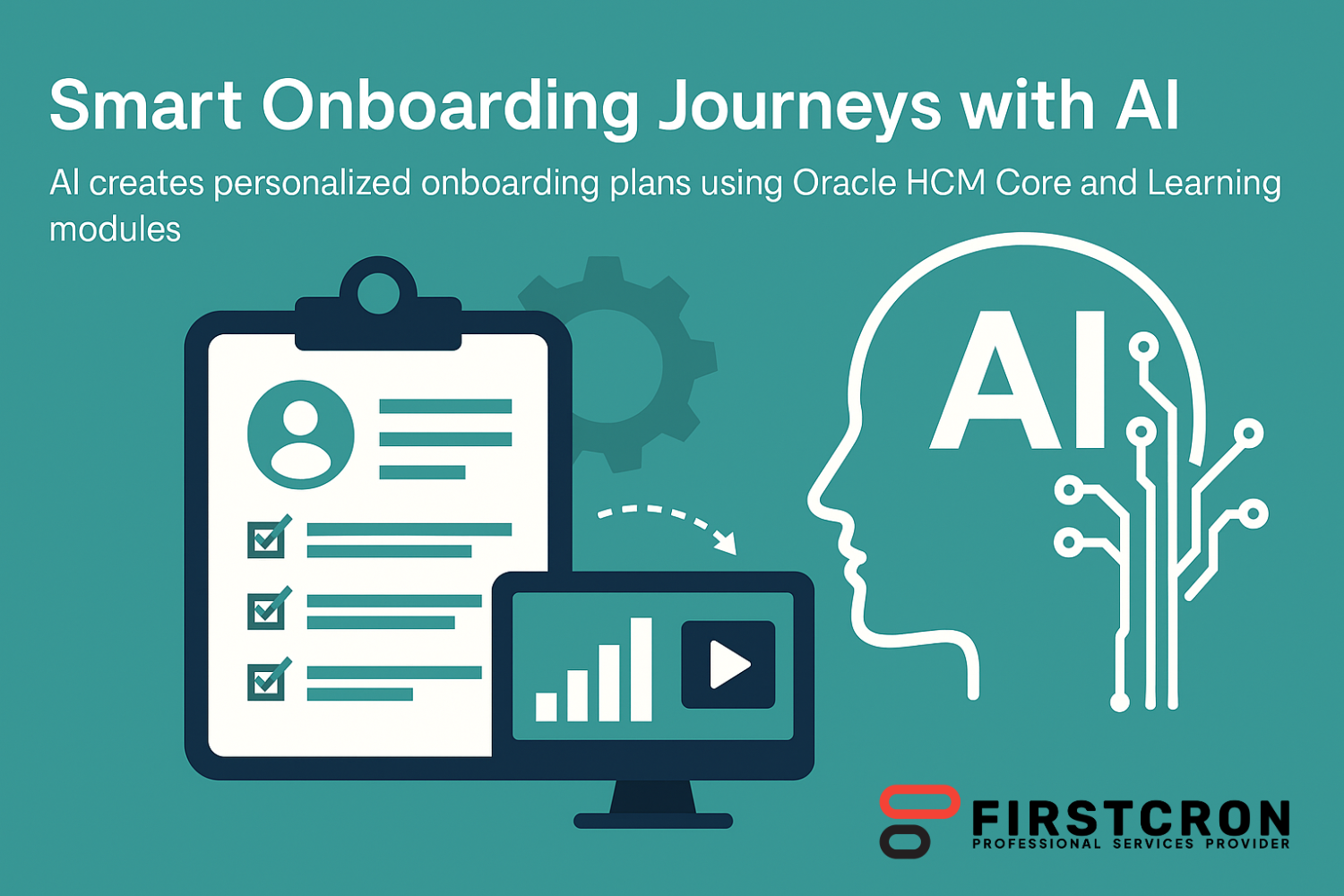
Smart Onboarding Journeys With AI: Personalized Employee Integration Through Oracle HCM Core And Learning
September 13th, 2025 21 min read