


Human Resources has evolved from an administrative function into a strategic driver of organizational performance. Modern HR teams are now expected to influence business outcomes such as workforce productivity, retention, skills development, and culture—responsibilities that require real-time insights rather than intuition. With distributed workforces, shifting skill demands, and rising expectations for personalization, HR leaders must navigate complex decisions that affect employee well-being and organizational agility. Data becomes the critical enabler, providing an objective, scalable, and predictive foundation for every HR initiative. As organizations adopt cloud HCM systems, automation, and AI-driven analytics, HR transformation is no longer about digitizing payroll or attendance—it is about building a unified, intelligent ecosystem where data empowers both employees and decision-makers.
In this blog we’ll cover
- Employee Experience Begins With Understanding The Workforce
- Using Data To Power Personalized Employee Journeys
- Building A Skills-Focused Organization Through Data Intelligence
- Enhancing Manager Effectiveness Through Actionable Insights
- Integrating HR, IT, And Business Data For A Unified Experience
- Data Governance, Ethics, And Trust As Foundations Of Transformation
- Conclusion: Data Is The Catalyst For A Human-Centered Future Of Work
Employee Experience Begins With Understanding The Workforce
A compelling employee experience starts with knowing what employees need, value, or struggle with—and data provides this visibility. Instead of relying on annual surveys or anecdotal feedback, modern HR uses real-time sentiment analysis, behavioral analytics, engagement metrics, and performance data to understand trends across the workforce. These insights help identify friction points such as onboarding delays, learning gaps, workload imbalances, or career stagnation long before they become major issues. Data also uncovers patterns that are not visible through communication alone, such as turnover hotspots, productivity barriers, or systemic inequalities. By mapping the entire employee journey—from recruitment to offboarding—HR gains a holistic understanding of how experience influences outcomes. The more accurately HR can measure experience, the more precisely it can improve it.
Using Data To Power Personalized Employee Journeys
Employees now expect the same level of personalization in the workplace that they experience as consumers. Data is the engine behind personalized journeys—whether recommending the right learning modules, tailoring internal mobility paths, or adjusting wellness programs based on individual needs. Predictive analytics can identify which employees are at risk of disengagement, which skills are becoming obsolete, and which teams require additional support. This level of personalization fosters a sense of belonging and relevance, improving retention and performance. It also supports DEI goals by identifying gaps in access, opportunity, or progression. Rather than offering generic programs, organizations can deliver targeted, meaningful experiences that resonate with each employee’s career aspirations, preferences, and working style. Data-driven personalization turns HR from a one-size-fits-all function into a strategic enabler of human growth.
Building A Skills-Focused Organization Through Data Intelligence
The shift toward a skills-based economy means organizations must continuously understand what skills exist, what skills are emerging, and what skills are missing. Data enables this by mapping skills across roles, departments, and regions while also predicting future needs based on industry trends. Modern HR systems use AI to analyze job histories, course completions, performance outcomes, and project contributions to create dynamic employee skill profiles. This gives HR and business leaders a living inventory of organizational capabilities. Skill insights support better workforce planning, targeted learning investments, talent mobility programs, and succession pipelines. Instead of hiring reactively, organizations can proactively build and redeploy talent based on real-time skill intelligence. Ultimately, a data-driven skills framework strengthens agility, reduces recruitment costs, and creates more equitable growth opportunities for employees.
Enhancing Manager Effectiveness Through Actionable Insights
Managers play a critical role in employee experience, yet many lack the visibility needed to coach, support, and develop their teams effectively. Data bridges this gap by giving managers intuitive dashboards with metrics on engagement, workloads, development progress, attrition risk, and team strengths. Insights highlight who needs recognition, who may be burning out, and where collaboration may be breaking down. Managers no longer need to rely solely on instinct—they can make informed decisions backed by trends and behavioral patterns. Data-driven guidance also ensures consistency, fairness, and compliance across people decisions such as promotions, evaluations, and performance conversations. As managers become more analytical and proactive, employees experience more meaningful support and clearer development pathways, elevating the quality of leadership across the organization.
Integrating HR, IT, And Business Data For A Unified Experience
Modern HR transformation requires more than HR data alone—it depends on the integration of information from IT systems, business applications, finance, customer operations, and collaboration tools. When HR data connects with productivity tools, project management platforms, and business KPIs, organizations gain a 360-degree view of employee contributions and challenges. This integrated perspective uncovers how workload influences well-being, how training correlates with performance, or how workplace design impacts collaboration. It also enables automated workflows, intelligent nudges, and seamless self-service experiences that reduce administrative burden. Unified data creates a consistent, predictable, and connected employee experience—one where employees can easily navigate systems, managers can access insights instantly, and HR can align its strategies directly with business objectives. Integration turns fragmented data into strategic intelligence.
Data Governance, Ethics, And Trust As Foundations Of Transformation
As HR becomes increasingly data-driven, organizations must emphasize governance, privacy, and ethical practices to maintain employee trust. Sensitive employee information—from health data to performance indicators—must be protected through robust access controls, anonymization techniques, and compliance frameworks. Transparent communication about how data is collected, analyzed, and used is essential to avoid concerns around surveillance or bias. Ethical AI and fair analytics ensure that hiring decisions, performance evaluations, and promotion pathways remain unbiased. When employees trust that their data is secure and used responsibly, they engage more openly with digital platforms, assessments, and development tools. Data governance is not just a compliance requirement—it is a core pillar of an inclusive, trustworthy, and sustainable HR transformation.
Conclusion: Data Is The Catalyst For A Human-Centered Future Of Work
Modern HR transformation is not simply about implementing new tools—it is about building an ecosystem where data strengthens every aspect of the employee experience. By enabling personalization, predictive insights, integrated journeys, and informed decision-making, data empowers HR to deliver experiences that are meaningful, equitable, and aligned with organizational goals. It allows businesses to move from reactive problem-solving to proactive talent strategy, ensuring agility in an era of rapid change. Most importantly, data enhances humanity at work by giving employees the support, clarity, and growth opportunities they need to thrive. As organizations embrace the future of work, those that treat data as the foundation of their HR strategy will lead the way in creating workplaces that are resilient, engaging, and deeply connected to the needs of their people.
Tags
Related Post
Navigating Oracle Fusion HCM & Payroll Patch 25C: Key Issues And Solutions For UK Local Councils
July 26th, 2025 10 min read
Learning And Talent Management With Cornerstone OnDemand
October 10th, 2025 17 min read
7 Proven Oracle Fusion Testing Principles To Guarantee Defect-Free Cloud Deployments
May 16th, 2025 15 min read
7 Reasons Why Companies Are Moving From Taleo To Oracle Recruiting Cloud
June 2nd, 2025 14 min read
Navigating Oracle Fusion HCM & Payroll Patch 25A: Key Considerations For UK Local Councils
July 27th, 2025 10 min read
WEEKEND READS
Navigating Oracle Fusion HCM & Payroll Patch 25C: Key Issues And Solutions For UK Local Councils
July 26th, 2025 10 min read
7 Proven Oracle Fusion Testing Principles To Guarantee Defect-Free Cloud Deployments
May 16th, 2025 15 min read
7 Reasons Why Companies Are Moving From Taleo To Oracle Recruiting Cloud
June 2nd, 2025 14 min read
Navigating Oracle Fusion HCM & Payroll Patch 25A: Key Considerations For UK Local Councils
July 27th, 2025 10 min read
UKG (Ultimate/Kronos) — USA And Global, Legacy-to-Modern Workforce Management
October 5th, 2025 23 min read
Driving Compliance And Security With Smart Testing In Oracle Fusion
June 5th, 2025 9 min read
How End-to-End Testing Of Oracle Fusion Enhances Operational Efficiency In Banking
May 23rd, 2025 11 min read
Data Migration Best Practices: From Taleo To Oracle Recruiting Cloud
May 28th, 2025 13 min read
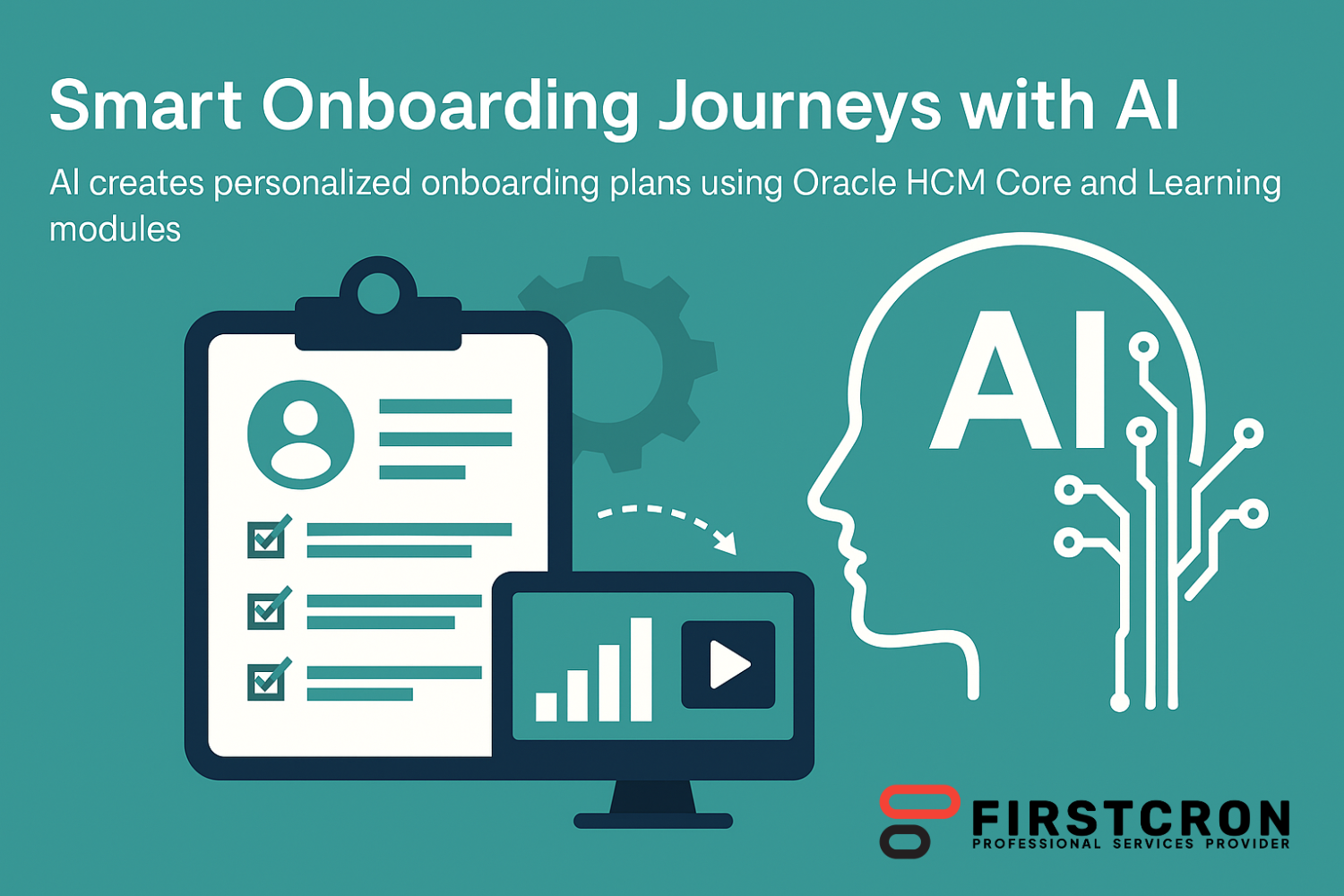
Smart Onboarding Journeys With AI: Personalized Employee Integration Through Oracle HCM Core And Learning
September 13th, 2025 21 min read